
In the Grant Coleman adventure Terror on Mount St. Helens Grant has to get past multiple supposedly extinct creatures to get to safety. While all of those are fictional, Mount St. Helens National Monument is not. I visited the park and it is fascinating.
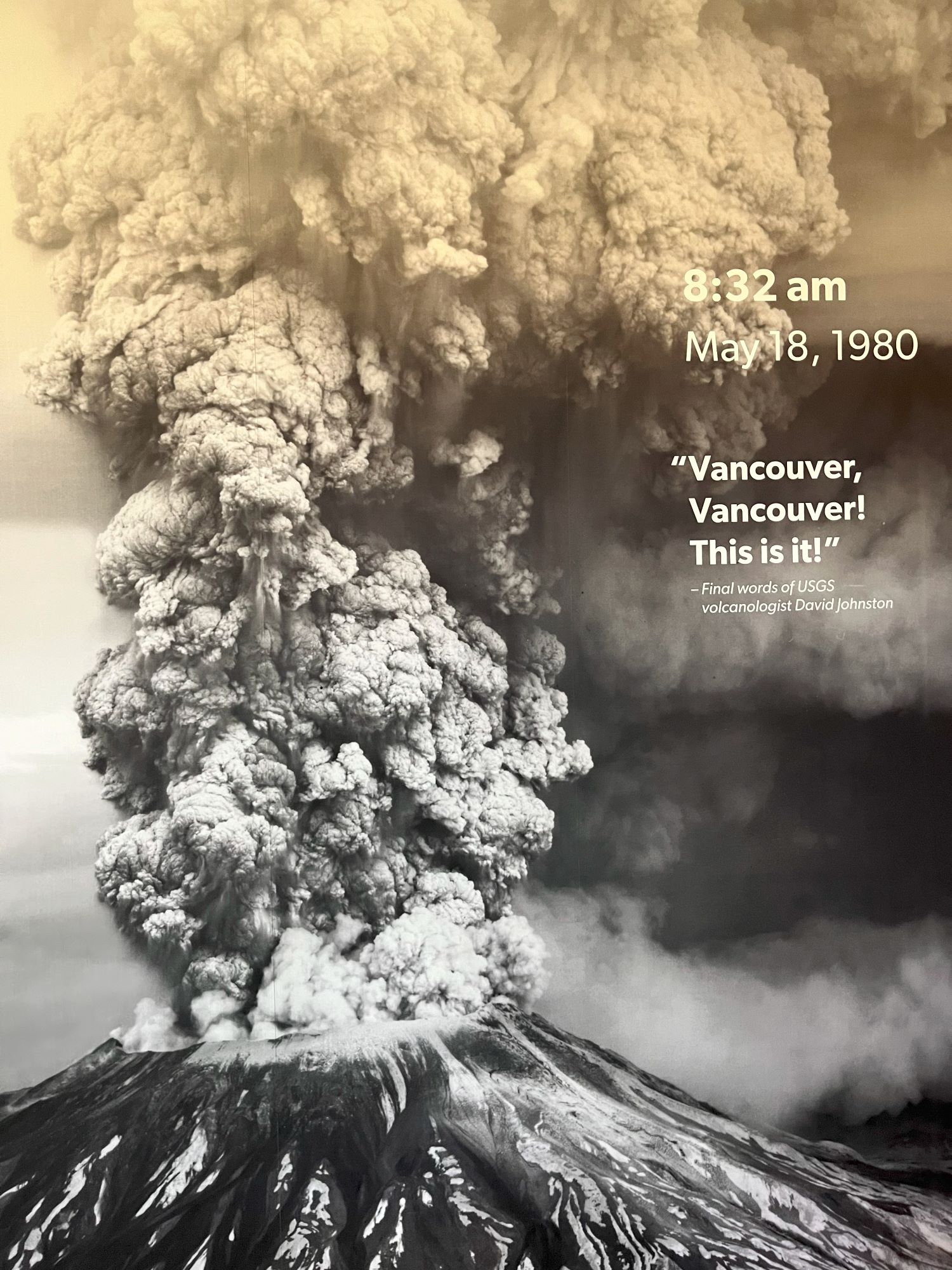
In May of 1980, Mt. St. Helens erupted. The local impact from mudslides, eruptions, and flooding was devastating, but the ash plume created problems worldwide.
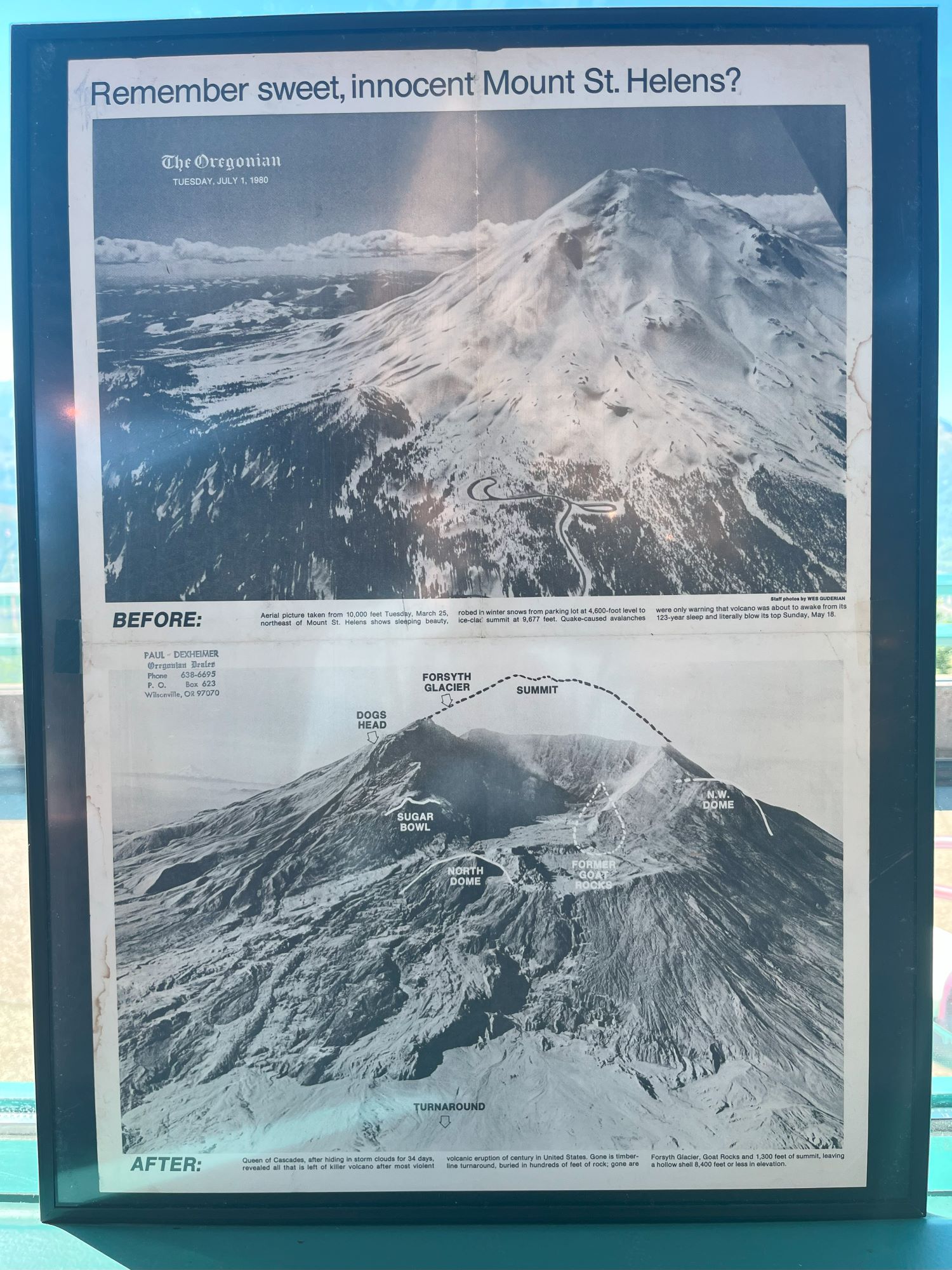
The newspaper article above shows before and after images of the mountain. A landslide sent 3.3 billion cubic yards of the mountain sliding downhill, then an explosive eruption blew over 1,000 feet off the summit. Within a year, the area was declared a national monument and protected so that scientists could study the rejuvenation process, which some thought would take decades.
It did not. Reforestation began almost immediately and today it’s hard to find scars from the eruption.
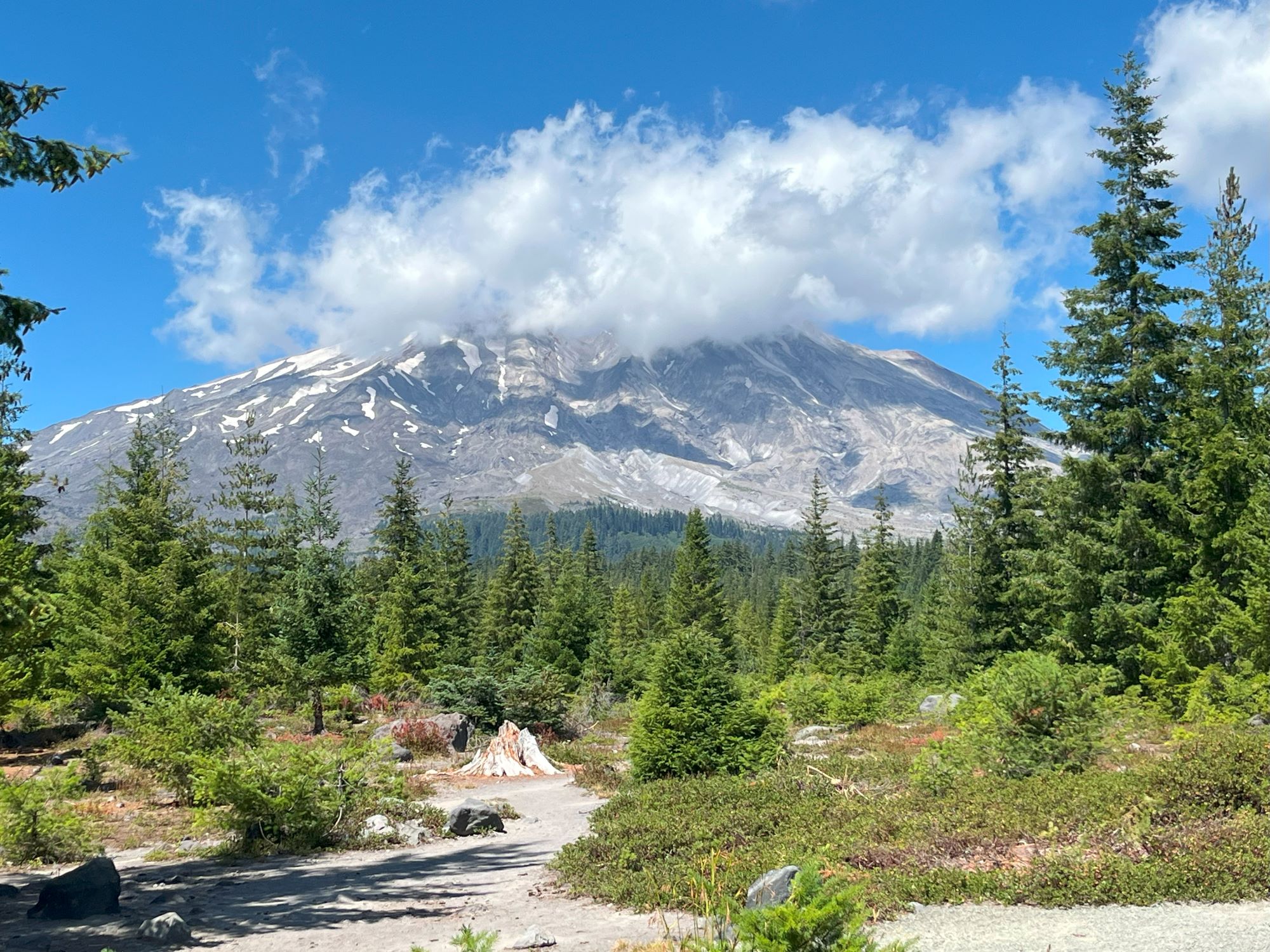
There are still a few location that tell the tale. Here’s one example below:
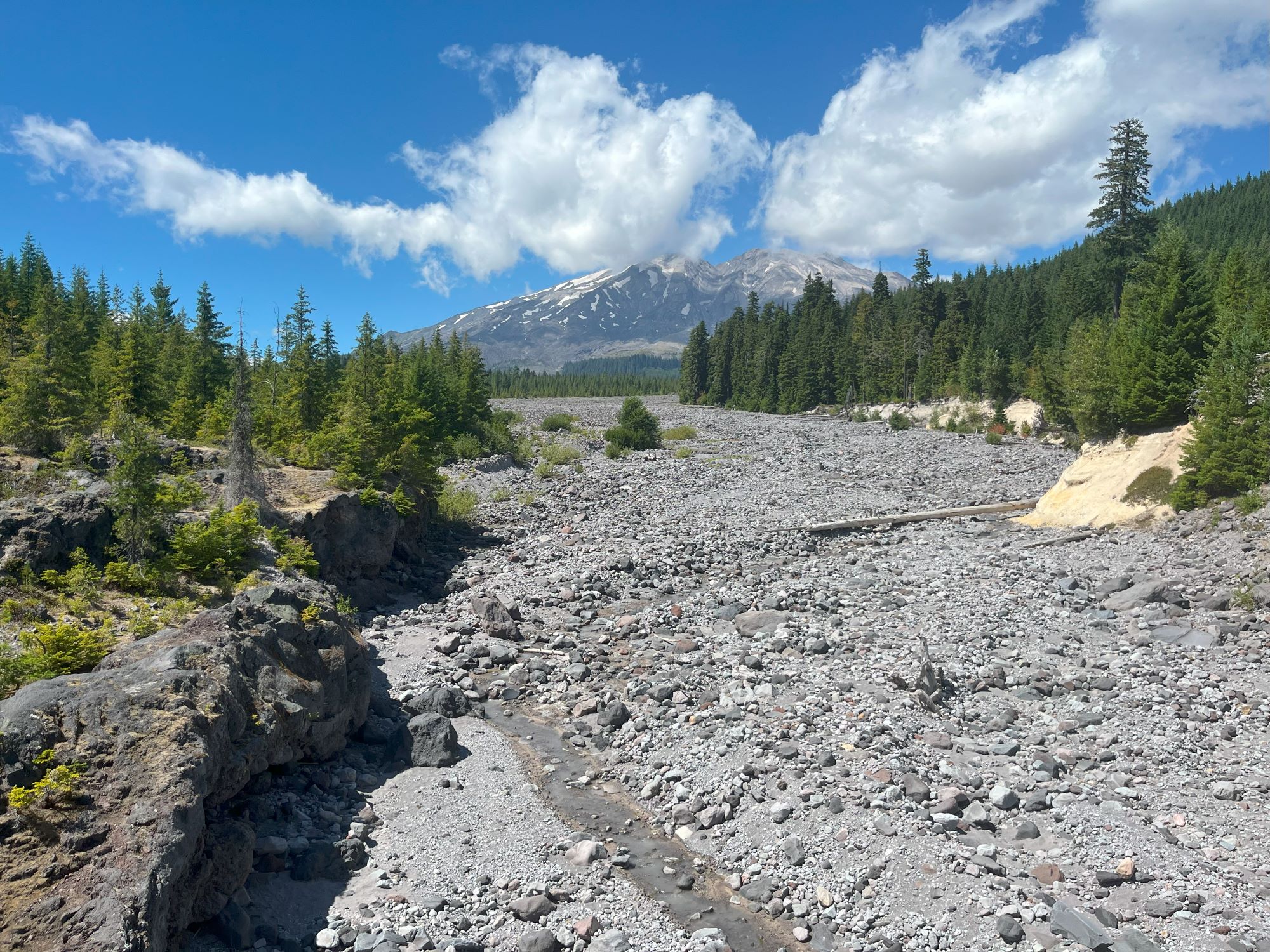
While forest has returned to the banks, this wash is still filled with the debris from the eruption and landslides. Huge swaths of the mountain used to look like this.
In the area downstream of here, flooding scoured away centuries of earth and forest and exposed the bedrock underneath. That left an amazing location called Lava Canyon.
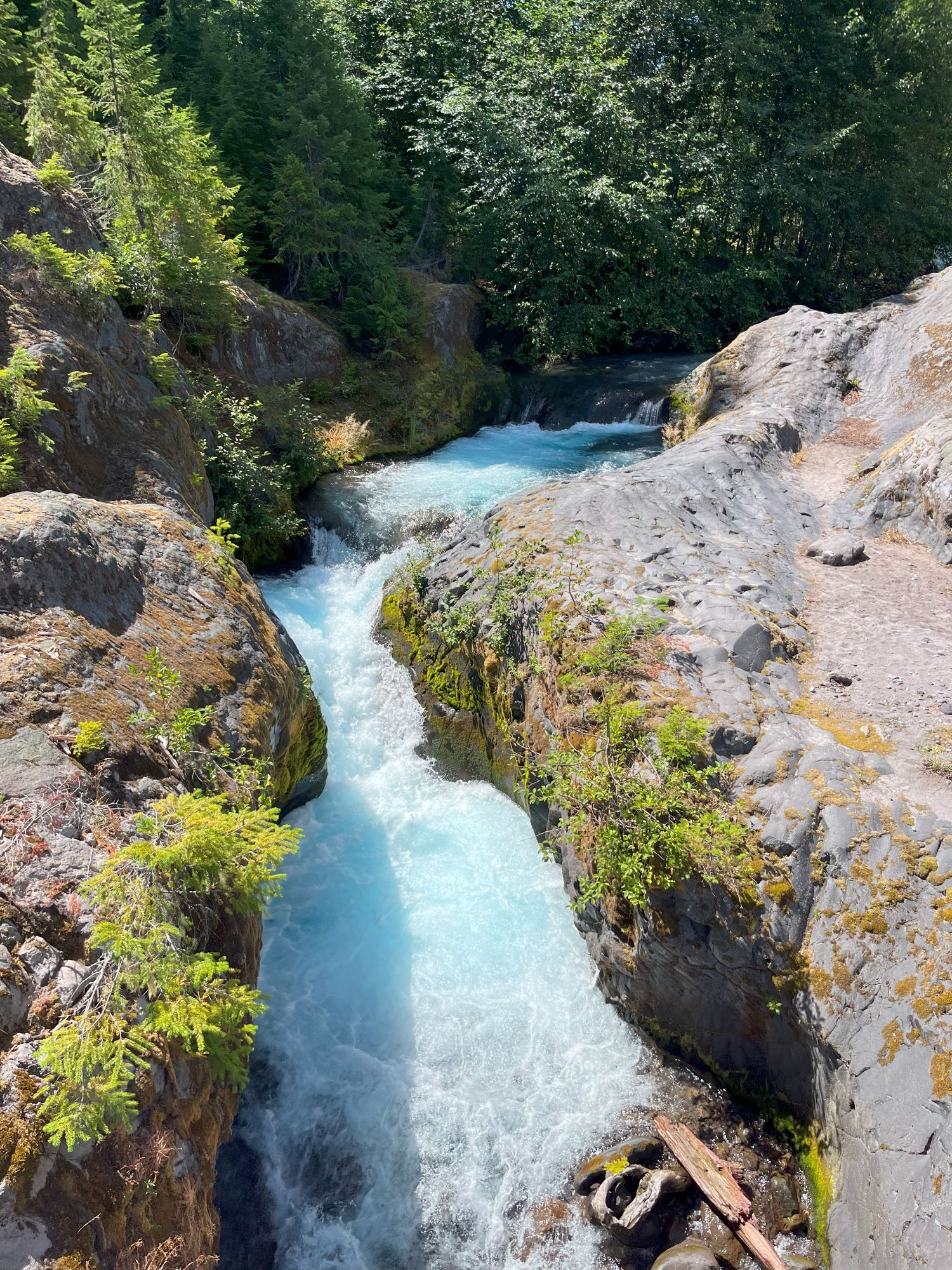
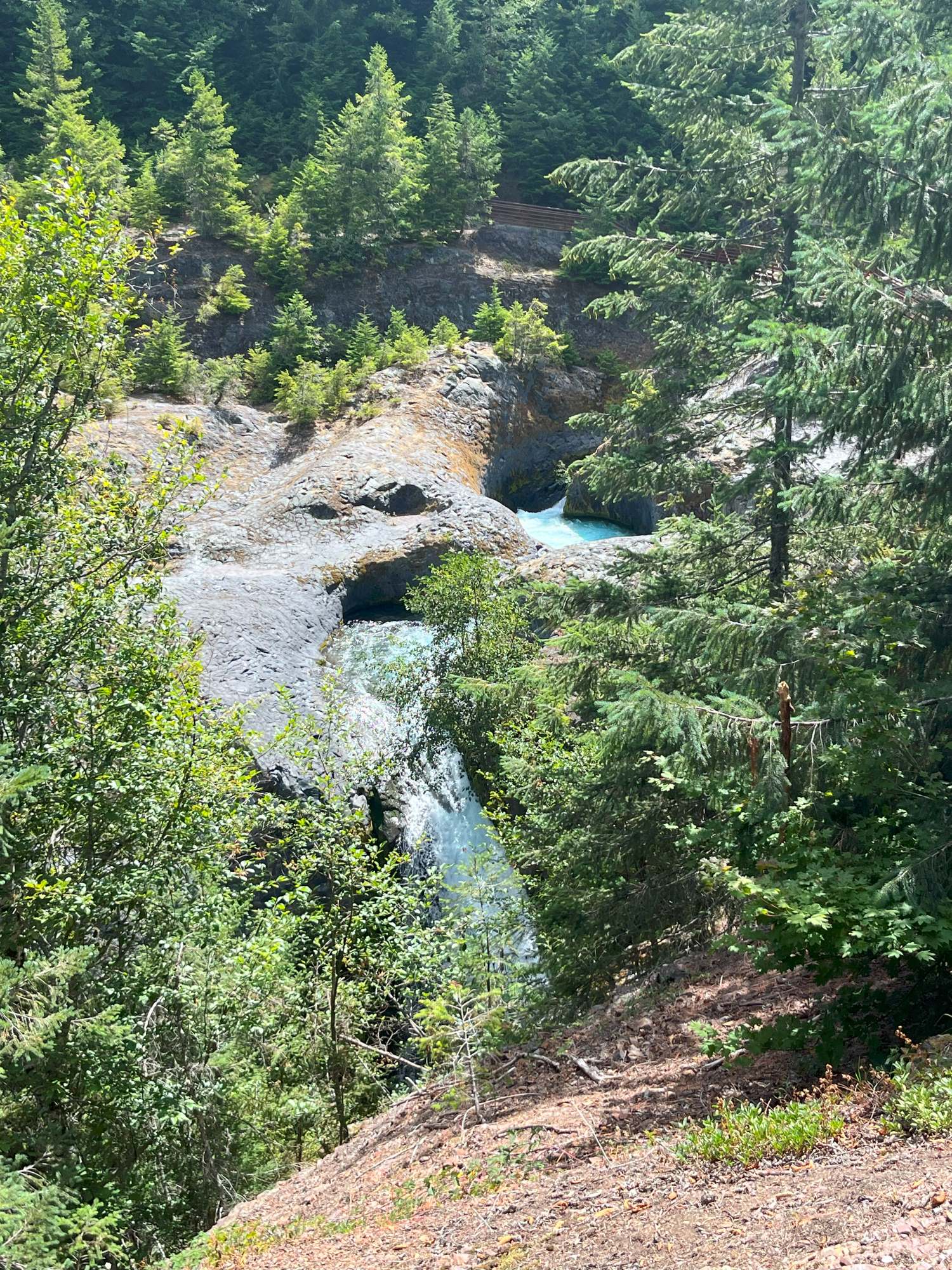
Lava Canyon is a splendid collection of cascades hugged by walking trails. They are well-worth the long drive to experience.
In one example, the eruption took away, but it also gave. It destroyed beautiful Spirit Lake and the cabins and resorts around it. What is left is an inaccessible, polluted mess of decaying logs.
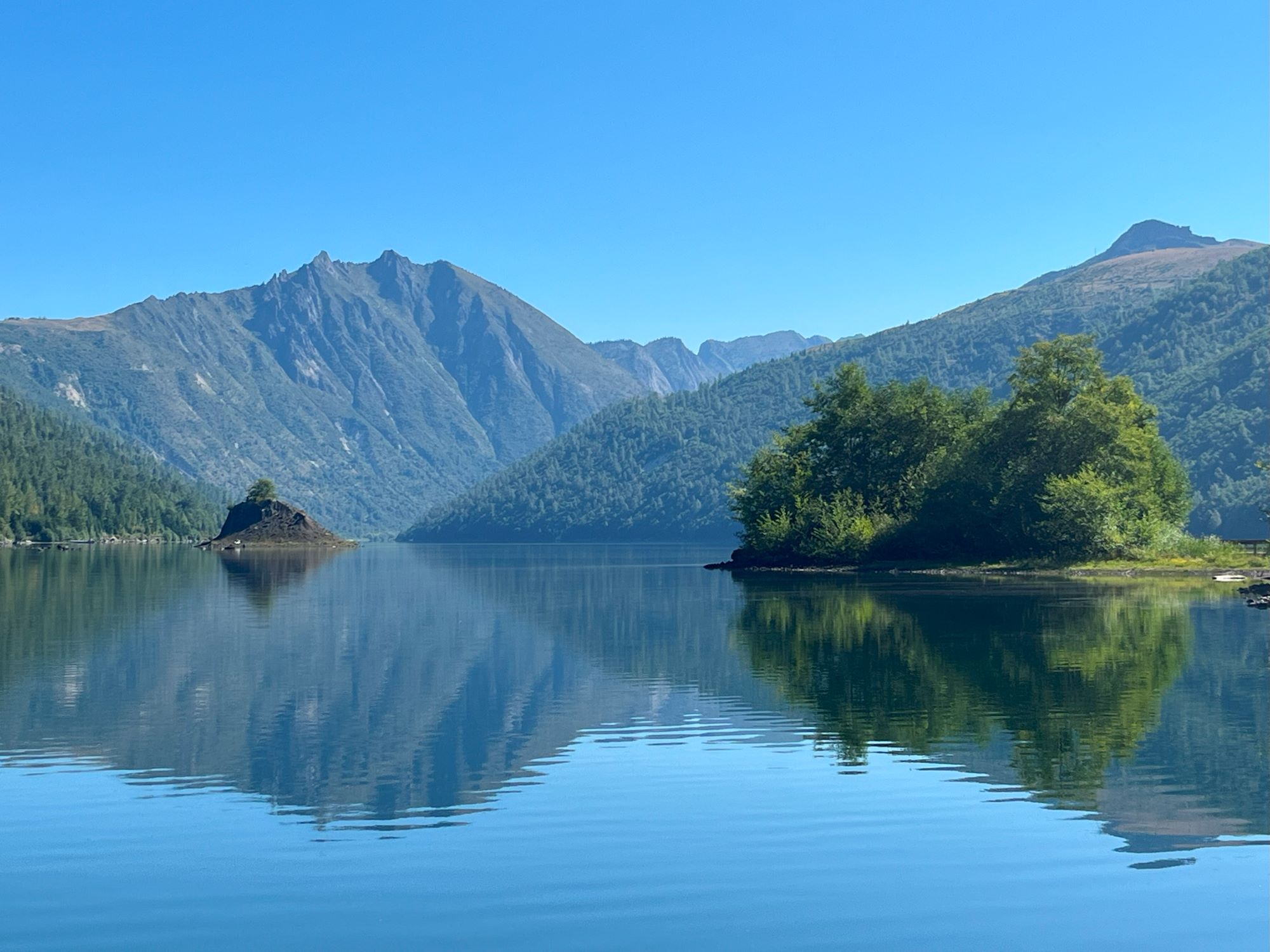
But the same landslide also blocked Coldwater Valley and created beautiful Coldwater Lake (above) to take Spirit Lake’s place.
Grant and company come across a stream that is key to one scene. Many streams on the mountain are fed by snow melt off the peak. While hiking, I came across the picturesque one below.
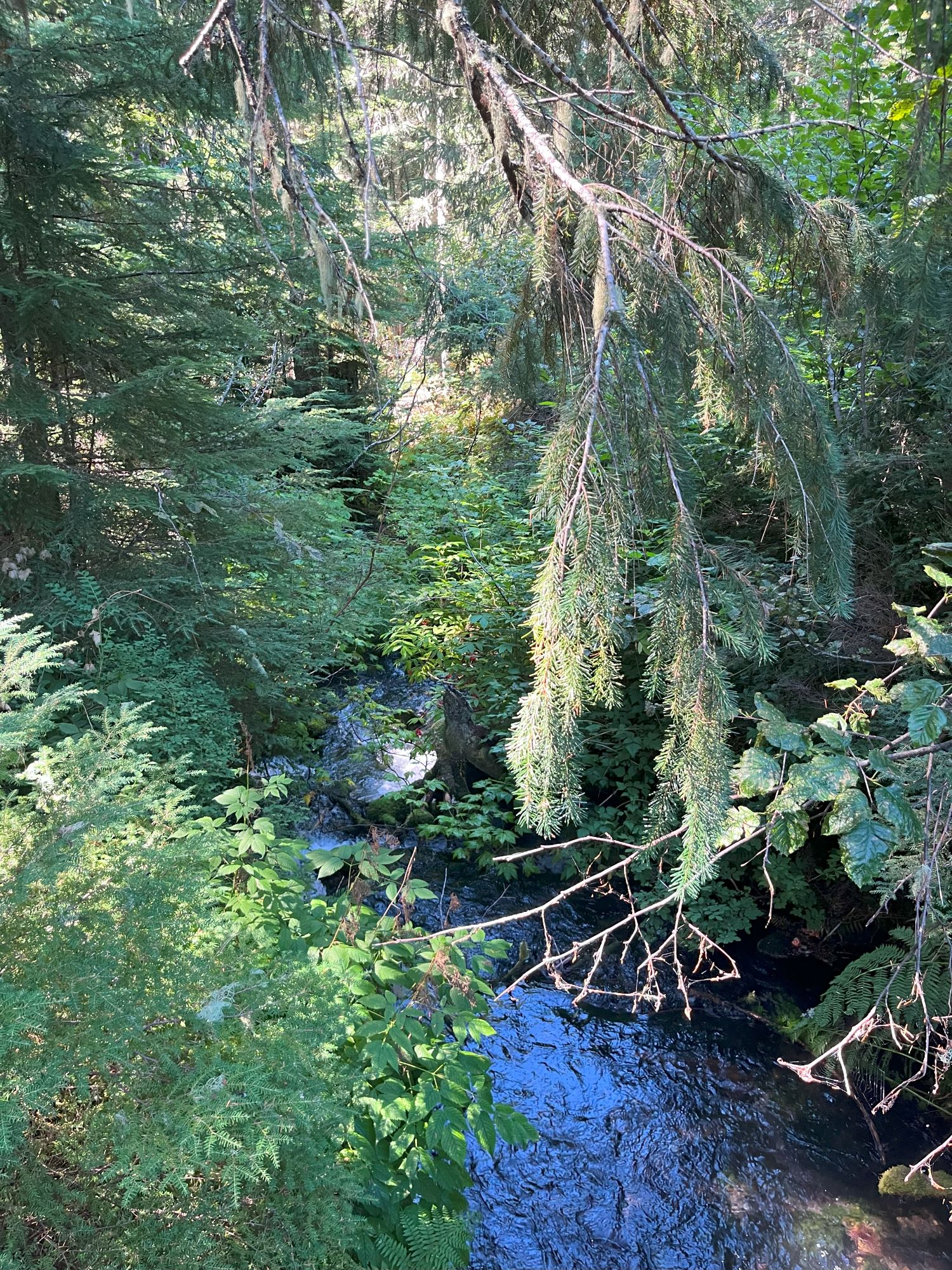
I think you’ll see that Mount St. Helens is a beautiful place to visit, an not at all as scary as it is for poor Grant.

Paleontologist Grant Coleman is on vacation at a lakeside resort near Mount St. Helens, Washington. All he wants to do is relax, but while he’s floating in an inner tube on the lake, the dam fails. He and others are swept away in the ensuing flood.
He awakens on the riverbank somewhere downstream in the heart of a national forest on the slopes of Mount St. Helens. He meets Ridley Montrose, a back-to-nature woman living off the land, and a group of fraternity brothers dumped from a party boat on the lake. They huddle by the water, awaiting rescue.
But that is no place to rest. They discover the river harbors a deadly fish. Their only hope is an uphill trek to the open areas on Mount St. Helens. But this route proves to be just as dangerous. Murderous beasts, thought extinct for thousands of years, hunt the forest, and seismic activity shakes the earth. Death stalks the group at every turn.
Countless numbers have died on these slopes over the decades, and it looks like Grant may soon be one of them. Will anyone survive the terrors on Mount St. Helens?
Follow this link to see some of the interesting geologic formation Grant and his group encounter on the mountain. If you don’t have a copy of Terror on Mount St. Helens yet, you can get one here on Amazon.